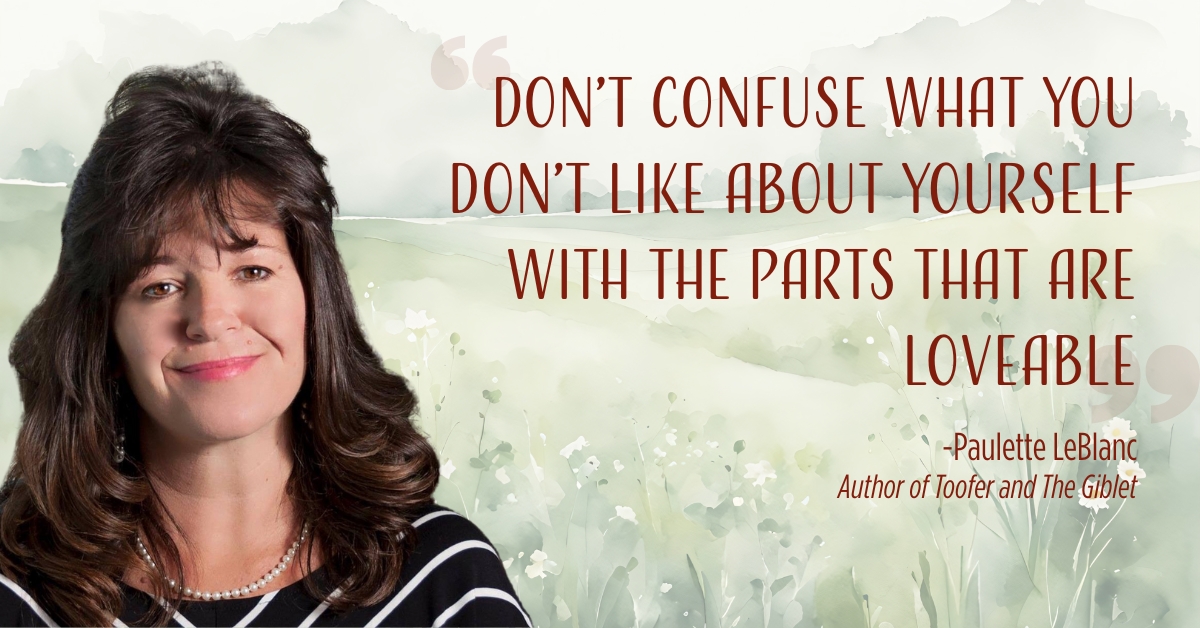
We all carry a mental list of “things to fix.” Be more patient. Speak up sooner. Don’t overthink. It’s human to want growth. But here’s the guardrail: don’t confuse what you don’t like about yourself with lovable parts.” Those are two different categories, and mixing them creates unnecessary heartache – especially for kids who are still shaping their inner voice.
When we separate practice from worth, everything softens. We’re free to improve skills without putting love on hold.
Why We Blur the Lines
Perfection sneaks in wearing helpful clothes. It whispers, “Once you change this, you’ll be worthy.” Kids translate that into “if I make mistakes, I’m not the good kid.” Grown-ups do it too: “If I were more organized/outgoing/calm, I’d finally be enough.”
The truth:
Practice is about skills – patience, planning, listening, asking for help.
Worth is about identity and belonging – kindness, curiosity, loyalty, humor.
You can work on patience and still be lovable right now. You can learn to speak up and still be lovable right now. One does not cancel the other.
A Simple Reset: The “Two Pocket” Routine
Here’s a quick daily ritual that works at home, in classrooms, and even for us adults.
Pocket 1 – Practice: Name one skill you’re working on today.
“I’m practicing waiting my turn.” “I’m practicing using my calm voice.”
Pocket 2 – Precious: Name one lovable quality that’s already true.
“I’m a good friend.” “I notice when others need help.” “I try again.”
Say bot pockets out loud at breakfast or bedtime. Pocket 1 can change daily; Pocket 2 stays steady. Kids learn it in weeks – adults feel the relief too.
Small Scripts That Protect Worth (Even on Hard Days)
- That’s a practice problem, not a worth problem.
- Your value isn’t up for debate. Let’s work the steps.
- What’s today’s Pocket 1? Name it. Now what’s your Pocket 2 reminder?
These scripts help redirect self-criticism toward action, while anchoring love right where it belongs – unconditional.
Tiny Habits That Back It Up
- Label efforts precisely. “You organized your notes” is stronger than “Good job.” Kids connect growth to actions, not identity.
- Celebrate retries. “You came back to it – that’s perseverance.” A second attempt is a bigger win than a perfect first try.
- Normalize help. “Asking for help is a strategy, not a weakness.” The brain learns faster with support.
How Can Toof & Gib Help?
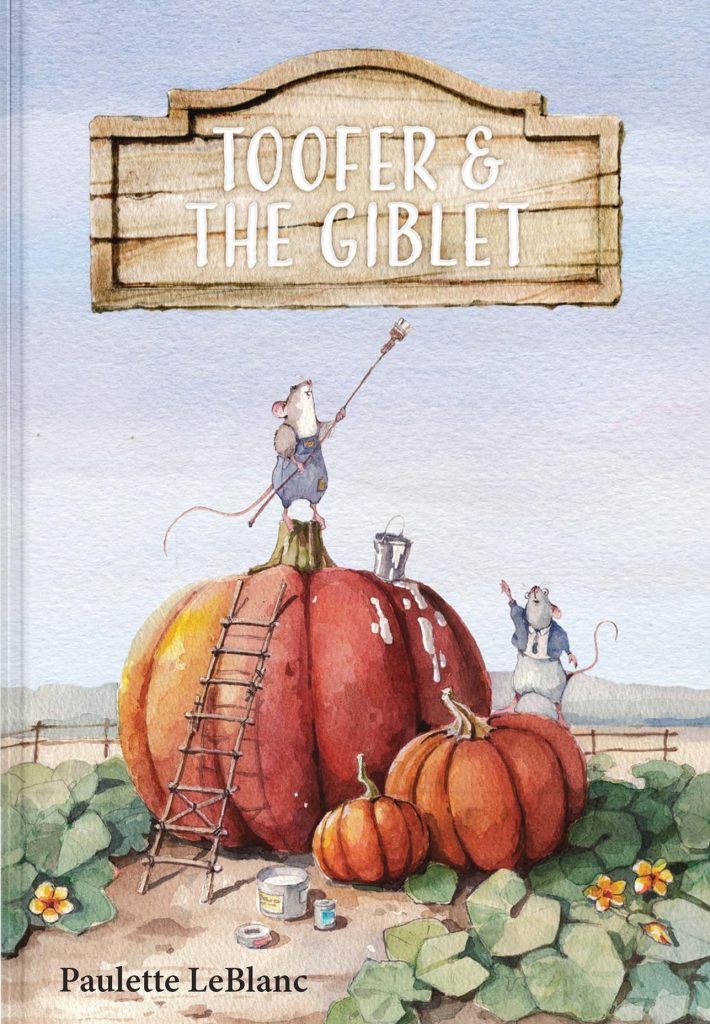
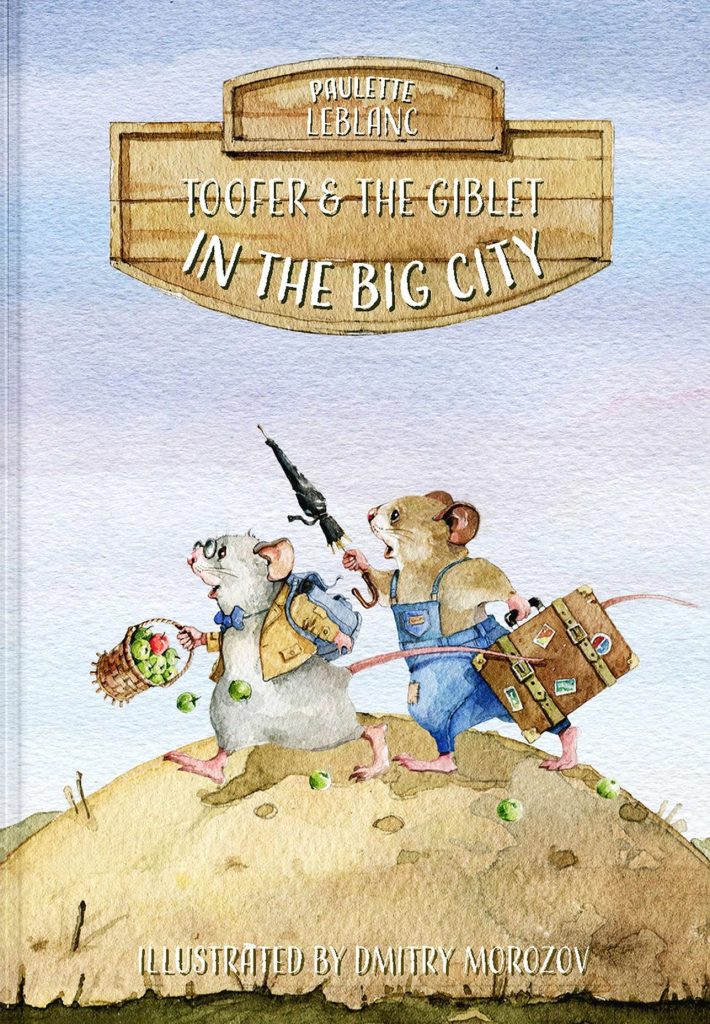
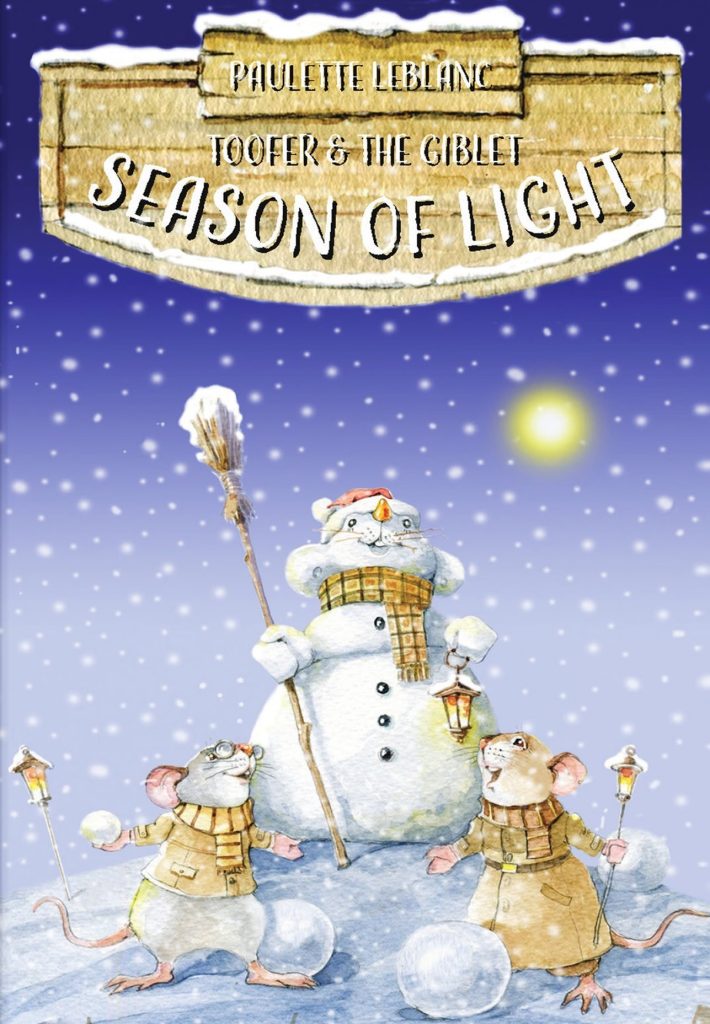
If you read Toofer and The Giblet with your family, you already know the heartbeat: two friends who are different – and perfectly matched. Toofer brings thoughtful caution; The Giblet brings playful boldness. Across the series, including Toofer and The Giblet in the Big City and Season of Light, the message is steady and age-friendly: we can grow and be loved at the same time.
Use the books as a light-touch anchor for your routine (no spoilers needed):
After a chapter, ask: “What was a practice moment in this part of the story?
Then ask: “What’s a precious quality we saw – kindness, loyalty, curiosity?
Connect it back to your reader: “What’s your Pocket 1 for tomorrow? And what precious quality are you carrying into school?”
You’re not turning storytime into a lecture; you’re building a shared language. Later, when a tough moment hits, a quick “Pocket 1 or Pocket 2?” can reset the day without a long talk.
For Teachers, Coaches, and Caregivers
You don’t need a curriculum to make this work – just consistency.
Post a small “Two Pockets” card by the ready nook or whiteboard.
Invite students to add sticky notes, listing one skill they’re practicing and one quality they appreciate in a classmate.
During transitions, try: “Your worth isn’t on the line here. What’ the next step for practice?”
Classrooms shift when kids realize everyone is practicing something, and everyone is already precious to the group.
Bring It Home
Here’s your quick start for the week:
- Pick a moment you usually critique. (Running late, messy backpacks, homework jitters)
- Name the practice skill. (“We’re practicing packing sooner,” not “We’re just chaotic.”)
- Name the lovable quality. (“We’re helpers,” “We show up for each other,” “We’re curious.”)
- Reinforce with one next step. (“Tonight we lay out shoes by the door.”)
You’ll feel the temperature drop. Kids move faster and try harder when love isn’t a moving target.
Keep improving. Keep refining. Cheer on the rave attempts and the awkward middle. Just remember, the parts you want to polish are not the same as the parts that make you lovable. Practice builds skills, love builds us.
If you’re building this language with your family, The Toofer and The Giblet series is a sweet companion – gentle stories, steady friendship, and the kind of warmth that makes growth feel safe. Reach a chapter, name your pockets, and carry both with you into tomorrow.